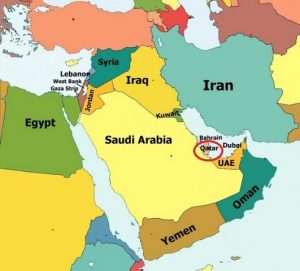
The Republic of Kenya is located in the eastern part of the African continent, where we find that it passes through the equator, and its borders are linked with many African countries, so we find that the Indian Ocean is the one that borders it on the eastern side, the Republic of Uganda is the one that borders it on the western side, and the Republic of Tanzania is the one It is bordered on the south by the Republic of Ethiopia, as well as the Republic of Sudan, which border Kenya on the north side, and on the northeastern side, we find Somalia.
Tourist places in Kenya
Amboseli National Park Amboseli National Park is located in Loitoktok District, Rift Valley Province of Kenya. The park covers an area of 39,206 hectares (392 sq km; 151 m²) at the heart of the 8,000 sq km (3,100 sq ft) ecosystem that spreads across the Kenyan border – Tanzanian.
The park is famous for being the best place in Africa to get up close and personal with elephants and stand amongst other wild animal species. Another opportunity that the park offers is to meet the Maasai people, and it also offers stunning views of Mount Kilimanjaro, the highest free-standing mountain in the world.
In Amboseli, there are great skies and vistas contrasted with marshy springs and dry, dusty land trampled by hundreds of animals.
Amboseli has an endless supply of groundwater that is filtered by thousands of feet of volcanic rock coming from the Kilimanjaro ice cap, which flows into clear spring water in the heart of the park.
Nairobi Nairobi is the capital of Kenya. In addition to its urban core, the city has Nairobi National Park, a large reserve known for its endangered black rhino breeding and home to giraffes, zebras, and lions. And next to it there is a shelter for elephants of great interest. Nairobi is often used as a springboard for safaris elsewhere in Kenya. The city center serves as the convention centre, close to attractions such as the Nairobi National Museum, which is dedicated to Kenyan art, artifacts, wildlife and early humans. With huts representing the main ethnic groups in Kenya, and a look at traditional tribal life. Tribal arts and crafts are sold in the Maasai mobile market.
Maasai Mar
One of the most famous reserves in all of Africa, the Maasai Mara is world-renowned for its exceptional wildlife. Although it comprises only 0.01% of the total area of Africa, more than 40% of Africa’s largest mammals can be found here. Across the vast plains, lions, leopards, tigers, elephants and an endless array of other species can be seen in their natural habitats.
The Massa Mara ecosystem contains about 25% of what is left of Kenya’s wildlife. It is estimated that about 70% of Kenya’s wildlife lives outside national parks and reserves.
Tourism in Azerbaijan has developed, and it has become a destination for tourists from all over the world, as it enjoys a historical, cultural and natural world and is considered a center for some of the oldest civilizations.
Azerbaijan, officially the Republic of Azerbaijan, is one of the six independent Turkish states in the Caucasus region of Eurasia. Located at the crossroads of Eastern Europe and Western Asia, it is bordered by the Caspian Sea to the east, Russia to the north, Georgia to the northwest, Armenia to the west, and Iran to the south.
Tourism in Azerbaijan The Nakhichevan enclave is bordered by Armenia to the north and east, Iran to the south and west, while Turkey borders a short border in the northwest. Armenia is surrounded by the Karki, Yukhari Oskipara, Prokhodaryli, and Sovolu enclaves, which it has controlled since the Nagorno-Karabakh War. The Armenian-majority Nagorno-Karabakh region in the southwest of Azerbaijan declared itself independent from Azerbaijan in 1991, but this independence has not been diplomatically recognized by any country and is still considered part of Azerbaijan by law and occupied by Armenian forces.
Tourist places in Azerbaijan Azerbaijan is home to a wide variety of landscapes. It has many historical and architectural monuments from different historical periods. It is a small country in the Caucasus and the Black Sea between the Caspian Sea. Mountain tourism is one of the most popular areas of tourism in Azerbaijan because more than half of Azerbaijan’s land mass is made up of mountains and plateaus.
The capital, Baku Baku is the capital of the Azerbaijani state, and in addition to being the capital, it is the largest city of Azerbaijan. The city of Baku, the capital, consists of two main parts, the old city and the city center. It includes many different and diverse cultures that have that distinct European character in addition to being influenced by the distinctive eastern Islamic character as well. The most prominent evidence of this unique blending of its kind is the architecture that exists in these The city, this architecture is a unique architecture that was able to be a link between the eastern and western styles, as mentioned previously.
The most prominent landmarks of the city of Baku Maiden Tower: It is the most famous landmark in this city. This building was built in the twelfth century, as it was one of the most important defensive points that were taken and built to defend the city in times of danger.
The Shirvanshahs’ Palace: It is one of the largest monuments and monuments that have survived from the Sherwani era, and this beautiful palace is located in the center of Baku.
Bab Al-Heiba Mosque: This mosque is one of the most important historical mosques in this important city. This mosque was established in the thirteenth century of the Hijrah.
The Baku Fire Temple: It is a Magian temple that was built in this city before the Islamic conquest of it.
Gabala city The ancient city of Gabala, which is located amidst picturesque landscapes in the thick of thick forests on the slopes of the Azerbaijani mountains, is one of the oldest Azerbaijani cities rich in archaeological and natural monuments. The history of Qabala dates back to more than two thousand years when it was the capital of the ancient state, which extended its outskirts on these lands during ancient times. Its population until 2011 reached 12,808 people.
Quba city Quba is a city in northeastern Azerbaijan and Quba is one of the charming tourist cities. It is famous for the city of apples and carpets. Guba or Quba hails from a riverside village called Gudial.
Quba has enjoyed strong economic growth over the past decade, much of it backed by tourism and also dependent on the construction industry. In addition to the fame of Quba for the manufacture of handmade carpets and the cultivation of fruits such as apples.
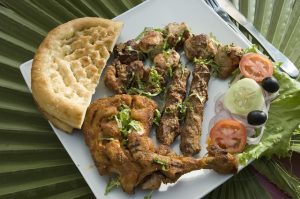
Quba, like all other cities of Azerbaijan, was influenced by many cultures during its past history, so you will find its cuisine includes many meals familiar to you as an Arab visitor, such as a dish: kebab
Tourism in Azerbaijan The Friday Mosque, whose construction began in 1802, specifically, was built of red bricks. The mosque consists of a silver-colored dome and minaret. It is one of the typical mosques of Quba in its architectural design. It resembles a cylinder that takes the form of a regular octagon with multiple faces. It is one of the oldest mosques in all of northeastern Azerbaijan.
The Scarlet Kasbah is located on the banks of the river, in the heart of the radiant city of Quba in Azerbaijan. It is a Jewish village rich with many synagogues, and those who visit it feel its antiquity through what it contains of historical riches that are clearly visible in its ancient architectural style.
Nizami Park, which is full of attractive nature, has outperformed its counterparts in other cities. The garden includes special sessions under the shade of trees.
Mam Shahr, also known as Günbuzli, has a domed architecture that closely resembles a brick beehive. The bathroom was built in the 18th century from red bricks. Its large dome is intended to maintain the correct temperature and humidity inside.
The United Kingdom is a nation consisting of the countries of England, Wales and Scotland in addition to Northern Ireland, and is known as the birthplace of contemporary parliamentary democracy and the Industrial Revolution.
Britain’s global role declined in the twentieth century after the two world wars, its loss of its empire, on which the sun never sets, and the result of the 2016 referendum on European Union membership raised serious questions about the country’s international role.
Nevertheless, the UK remains an economic and military power to reckon with, with influential political and cultural influence throughout the world.
Tourist places in Britain
Edinburgh It is the capital of Scotland. It combines the medieval old town and the elegant new town with gardens and classic buildings. Overlooking the city is Edinburgh Castle, home to the Crown Jewels of Scotland and the Stone of Destiny, used for the coronation of Scottish rulers. There are some important places in Edinburgh that attract visitors to it; Such as: the National Museum of Scotland, which aims to discover the world of nature and Scottish history, and there are many theaters that offer theatrical performances, concerts, operas, and others, in addition to places to attract children such as: Edinburgh Zoo, Deep Sea World, and Georgian Farm City.
Glasgow It is a port city on the River Clyde in the Western Lowlands of Scotland. It is famous for its Victorian architecture and Art Nouveau, a rich legacy that led to the city’s prosperity from the 18th to the 20th centuries due to trade and shipbuilding. Today it is a national cultural centre, home to institutions including the Scottish Opera, Scottish Ballet and the National Theater of Scotland, as well as renowned museums and ornate music.
There are many areas and landmarks that attract tourists in Glasgow, the most important of which are: the People’s Palace and the Winter Gardens. The museum is historically and socially important, as it embraces the history of the city and the people who lived in it. CCA Center for Contemporary Arts: This center is the site of contemporary arts in Scotland and tourists can enjoy the many art, films, workshops and musical performances of various artists in this center. Gallery of Modern Art: This gallery is located in the heart of Glasgow and hosts cultural programs by local and international artists.
London The capital of England and the United Kingdom, it is a 21st century city with a history stretching back to Roman times. At its center stands the imposing House of Representatives, the famous ‘Big Ben’ clock tower and Westminster Abbey, the site of the coronations of British queens.
The London Eye observation wheel provides panoramic views of the cultural complex on the south bank, and the entire city, across the Thames. Royal sites include Buckingham Palace, which houses the king’s main residence and offices, and the Tower of London, a former prison in the home of the Crown Jewels.
Stonehenge It is considered one of the most famous prehistoric monuments in the world. It was built in several stages: the first monument was a monument, built about 5000 years ago, and the unique stone circle was built in the late Neolithic period around 2500 BC. In the early Bronze Age many mounds were built nearby. Today, along with Avebury, Stonehenge forms the heart of a World Heritage Site.
Big Ben The clock tower, famous for its accuracy and huge bell. Strictly speaking, the name refers only to the large clock bell, which weighs 15.1 tons (13.7 metric tons), but is usually associated with the entire clock tower at the north end of Parliament House, in London’s Westminster district. The tower itself was officially known as St Stephen’s Tower until 2012, when it was renamed Elizabeth Tower for the Diamond Jubilee of Elizabeth II, when it celebrated the 60th anniversary of the British throne. The clocks are 9 and 14 feet (2.7 and 4.3 meters) tall respectively, and the clock tower is about 320 feet (97.5 meters) high. Originally in coordination with the Royal Greenwich Observatory, the Big Ben tones bell has been broadcast – with some interruptions – since 1924 as the daily time signal from the BBC.
General information about Peru Peru is located in western South America, bordered by Ecuador and Colombia to the north, to the east by Brazil and Bolivia, to the south by Chile, and to the west by the Pacific Ocean. It extends over an area of 1,285,216 square kilometres.
Tourist places in Peru lima Lima, the capital of Peru, is located on the arid Pacific coast. Although maintained as a city that went through violent colonialism, it is a bustling city and one of the largest in South America. It is home to the Museo Larco Collection of Pre-Columbian Art and the Museu de la Nación, tracing the history of ancient civilizations in Peru. The Plaza de Armas square and the 16th-century cathedral are in the heart of old Lima Centro.
Other Lima Centro landmarks include San Francisco’s Baroque Convent and Torre Tagli Palace. Downtown, the hip coastal neighborhood of Barranco is known for its nightlife. Lima is also known for its vibrant food scene, which includes fine international specialties and cuisine.
Machu Picchu Machu Picchu is located 2,430 meters above sea level, in the middle of a tropical mountain forest, in an unusually beautiful setting. It is one of the most exciting creations of the cities of the Inca Empire at the height of its power. Its gigantic walls, balconies, and staircases appear to have been cut naturally from solid rock. The natural surroundings, on the eastern slopes of the Andes Mountains, include the upper Amazon basin, which is rich in its diversity of flora and fauna. Tourism in Peru 4
Cusco Cusco, a city in the Peruvian Andes, was the capital of the Inca Empire and is now known for its archaeological ruins and Spanish colonial architecture. The Plaza de Armas is the central square in the old town, with arcades, and carved wooden balconies. Built atop the Incan Temple of the Sun (Qoricancha), the Baroque Monastery of Santo Domingo contains archaeological remains of Inca stonework.
Spanish landmarks such as the 17th-century cathedral use Inca buildings as foundations. The city’s hilltop complex, Sacsayhuamán, boasts distinctive sinuous stone walls, as well as views of the red-tiled roofs and the surrounding mountains. At an altitude of 3,400 metres, Cusco is the gateway to Inca sites in the Urubamba (Sacred) Valley and on the Inca Road, a multi-day trek that ends at the mountain fortress of Machu Picchu.
Lake Titicaca Lake Titicaca, located on the border between Peru and Bolivia in the Andes, is one of the largest lakes in South America and the world’s largest navigable surface of water. Said to be the birthplace of the Incas, it is home to numerous ruins. It harbors rare wild animals such as giant frogs.
The common Bolivian entry point, Copacabana, includes two important religious areas: the Basilica of Our Lady of Copacabana and Cerro El Calvario, and there are trips to the car-free islands of Isla del Sol and Isla de la Luna.
It is an island country in the eastern Mediterranean basin in southeastern Europe and northwest Asia.
Cyprus is called by this name due to its ancient fame for the mineral copper (in English: Copper), which was used in abundance from its lands, and the English word Cyprus is derived from the Greek name for the island Kypros, which means in Latin Cuprum meaning copper. Cyprus is the third largest island in the Mediterranean after the Italian islands of Sicily and Sardinia (both in terms of area and population).
Culture and history The Cypriot culture is influenced by the country’s demographics. While the Greek Cypriots culturally belong to Greece and to the former colonial Britain, we find that the northern part belongs to Turkey. Cyprus is famous for its folk music. Greek is spoken mainly in the south, while Turkish is spoken in the north. This linguistic division dates back only to the period after the emergence of the Turkish Republic of Northern Cyprus in the north and the displacement of the Greeks from north to south, before that the Greek language was the most widespread language. The English language is widely used, due to the period of the English colonization of this island.
Tourist places in Cyprus Paphos Paphos is the cultural capital of Cyprus, due to its rich cultural heritage and dated architectural landscapes. The main attractions include the Tombs of the Kings, Adonis Baths and Waterfalls, Ayios Neophytos Monastery, and Paphos Archaeological Park Kato.
Larnaca Larnaca is one of the oldest towns on the island, and the ribboned roads can be explored on foot as one of the best options. The Larnaca Promenade seashore extends to provide a picturesque excursion in the evening; The coast also houses the wrecks of Zenobia, which was ranked in the top ten in the Times’ 2003 dive sites.
Coral Bay It is a popular tourist resort in the municipality of Pia, 6 km north of Paphos. It extends over the northern coast and includes rocky lands and sea caves, and Coral Bay itself is a crescent of soft white sand 600 meters long, surrounded by a head of limestone.
Kykkos Monastery Located 20 km west of Pedolas, it is one of the richest, most beautiful and most famous monasteries in Cyprus. The Monastery of the Assumption in Quixos was founded around the end of the eleventh century by the Byzantine Emperor Alexius I Comnenus.
MS Zenobia MS Zenobia was a Swiss-built Challenger ship built in 1979 that capsized and sank in the Mediterranean, near Larnaca, Cyprus, in June 1980 on its maiden voyage. Today, it is considered one of the most famous diving areas in the world.
A republic in Central Europe is bordered to the northwest by the Czech Republic (215 km) to the north by Poland (444 km) to the east by Ukraine (97 km) to the south by Hungary (677 km) and to the southwest by Austria (91 km).
Slovakia is characterized by its mountainous nature, as it extends over a wide area of its northern half, the Carpathia mountain range, including the Tatras, which are famous for its ski areas and many lakes and valleys of scenic nature.
The climate is characterized by moderate, rainy summers with high humidity and cold winters with heavy snowfalls.
Tourist areas Bratislava Castle Bratislava Castle is one of the most important tourist attractions in Bratislava. As its towers overlook the Danube, it stands tall at a height of 85 meters. It dates back to the year 907. From the time of the Great Moravian Empire, the architecture of today Bratislava Castle has a regular quadrangular floor plan and bears the characteristics of the Renaissance and early Baroque period. Bratislava Castle burned down in 1811. Its rebuilding began in the mid-twentieth century.
St. Martin’s Cathedral Located between the old town and the castle, Saint Martin’s Cathedral has witnessed the coronation of nearly twenty kings and queens.
The 85-meter-high tower in the Roman Catholic Cathedral dominates Bratislava’s Old Town. It is considered the most sacred and important Gothic building in the capital of Slovakia. It was built during the 13th and 14th centuries as part of the city fort.
The cathedral houses a large 19th-century Hungarian crown, fine Baroque artwork and Gothic works, the altar of Saint John’s Church and numerous crypts and catacombs.
Bojnice Castle The history of Bojnice is linked to that of Bojnice Castle. It is also one of the oldest and most distinguished Slovak castles, located on a limestone hill above the city.
Originally the castle was made of wood and gradually by the beginning of the thirteenth century it was built of stone. The outer walls of the castle were formed according to the uneven, rocky terrain.
Bojnice Castle contains: in the preliminary parts: the Ducal apartment, a tower with 5 corners, the conservatory, the exhibition, the eating room, the oriental room, the music room, the golden hall, the chapel of the castle. In the central part of the castle: the blue room, the great hall, the marble room, the hunting room, the food preparation areas and the sleeping places. At the top of the stairs is the Hall of the Knights, and in the tunnels of the castle are the tombs and cave of the castle.
Armenia boasts countless tourist destinations, and it is a paradise for visitors to allow them to explore a lot – whether it’s by watching stunning mountains, scenic landscapes or landscapes, or engaging in lots of interesting activities.
If you are planning an unforgettable trip and love to discover destinations with passion, you have every reason to put your eyes on the tourist cities in Armenia. As one of the oldest countries in the world. In the guide to tourist cities in Armenia, we highlight ten beautiful Armenian cities that are worth visiting.
Tourism in Yerevan Armenia’s rich cultural heritage appears everywhere you look, especially in the country’s stunning capital, Yerevan. Most of the buildings are of early Soviet architectural style, and the city also hosts a pair of postmodern wonders on a grand scale.
Yerevan is sometimes referred to as the “Pink City” due to the pink color of the tuff stones used in building the buildings. The capital of Armenia is home to a number of art galleries that display the work of talented local artists, as well as must-visit museums of history and culture.
Those on the culinary tour will be delighted to hear that most Armenian gatherings focus on food, and that Yerevan is home to a wide range of restaurants serving the best of Armenian cuisine.
Tourism in Goris Goris is one of the most charming cities in southern Armenia and is located on the road to Nagorno Karabagh. The city itself sits along a river and is surrounded by lush green mountains.
What distinguishes it from other cities is the breathtaking rock formations on the outskirts of Goris. Visitors can also head to the nearby Old Cave Village called Old Khndzoresk. But what you must see in the area is still the beautiful Tatev Monastery.
To reach the monastery, which sits on an 850-meter-high cliff, visitors can take a ride on the longest cable car in the world while gazing at the stunning scenery from above.
Tourism in Sevan Armenia may not have a sea, but it does possess such a beautiful natural jewel; It is Lake Sevan. Sevan is a beautiful destination located on the banks of the river. Located 1,905 meters above sea level, Sevan is the perfect city to head to on hot summer days to enjoy a swim, and when the weather isn’t good enough for a swim, you can still enjoy grilling delicious local fresh fish by the lake.
The most famous tourist attraction there is the Sevanavank Monastery. This historic church is beautiful due to the rough black stones that make up its exterior design and the stunning ancient altar inside. It is also the best place to enjoy the stunning views of the vast lake.
Tourism in Kapan Caban, the largest city in Syunik, is the ideal city to relax, enjoy the breathtaking landscapes of high mountains, beautiful valleys, and breathe in the fresh air. The name itself comes from “kapel,” meaning a lock, referring to the converging, intertwining mountain ranges of Kaban.
The downtown area of Caban is one of the most fun, with its lush gardens full of relaxation, streams and outdoor cafés. Visitors can also head to the 9th century monastery, Vahanavank, which is about 7 km from the city to see the place which was once the religious center of the Syunik Kings.
Tourism in Dilijan Dilijan is a major spa town in Tavush province in Armenia, which is famous for its mineral water treatment fountains. The Green City is a favorite with both locals and tourists.
It offers a good number of beautiful hotels and sanatoriums, giving visitors the opportunity to enjoy the beauty of the surrounding national park and wonderful historical monuments. Locals sometimes refer to Dilijan as “Little Switzerland” or “Armenian Switzerland”.
This lovely wooded town also features some traditional Armenian architecture, particularly in the “old town” and is the ideal place for mountain biking, hiking and even picnicking.
Tourism in Jermuk Jermuk is a cozy little town famous for its mild climate, scenic nature and curative mineral waters. Many visitors to Jermuk come for health treatment purposes, making it the number one spa town.
You can also go to different water stations where you can try sparkling fresh water with varying temperatures. In total, there are about 40 very hot mineral sources in Jermuk.
Jermuk Waterfall is another major attraction in the city, and it is the second largest waterfall in the country as it drops water from a height of 68 meters.
Tourism in Odzun Odzon village is located in the Lori Province of Armenia, it is an important and beautiful historical village located on a plateau above the left banks of the Debed Strait. The landscapes in the area are breathtaking, especially when viewed from the very famous Odzun Church, which overlooks the strait.
The ancient, 5th-century church is well worth a visit, and is actually the main attraction in this city, as it houses one of the country’s finest basilicas with its finest dome.
Tourism in Tsaghkatsor Tsaghkadzor, located north of the capital Yerevan, is the most popular ski resort and spa. This quiet little town is the perfect vacation spot for all seasons.
In summer, the weather is usually sunny and mild, allowing visitors to ride rope lifts to enjoy stunning mountain views, and the stroll is surrounded by a calm and green landscape. In the cold winter, visitors can rent all the ski equipment they need locally for skiing or snowboarding down the mountain.
Equipment prices are low compared to the rest of the world, making it an attractive ski destination for many. It is also one of the Armenian cities with the best development of tourism infrastructure including luxury hotels, leisure facilities, and great dining options.
Tourism in Ashtarak Ashtarak is known to be one of the oldest settlements in Armenia. As such, it offers several cultural and historical attractions showcasing the country’s notable architectural features.
In fact, the city was first mentioned as a rural settlement in the 9th century. There are a number of churches to visit, and each has its own stories. Another interesting sight is the 17th-century bridge built over the Kasag River, which sits in a narrow lane below the beautiful Sorbis Sarkis Church.
Tourism in Arzakan Located in the province of Kotike, Erzakan is a lovely little village that is home to the popular mountain resort of Aghveran. Many go there just to relax and breathe the fresh mountain air.
Visitors to Arzakan can also enjoy the large 10th-century ruins of the once beautiful monastery called Neghutsi Vank, which is located along a valley northwest of the small town, and the ruins of another majestic 13th century monastery called Ghuki Vank.
General information about Tanzania Tanzania is located in the east of central Africa, and it shares its borders from the north with the state of Kenya and the state of Uganda, as for the south, it shares its borders with Mozambique, Zambia and Malawi, and on the western side it shares the borders with the Democratic Republic of the Congo and the states of Rwanda and Burundi, as for its borders Al Sharqiya extends along the Indian Ocean.
It is called the Republic of Tanzania, and the reason for its name Tanzania is due to the joining of Tanganyika and Zanzibar together to form the Federal Republic of Tanganyika and Zanzibar in 1964 AD, its main coastal center remained Dar es Salaam as the official capital of the country until 1996 AD, then Dodoma was chosen to be the official capital of the republic. The area of the Republic is 945.203 km2 and its population is approximately 44 million.
Tourist places in Tanzania Zanzibar island Unguja, also known as Zanzibar Island, is the main island in the Tanzanian archipelago of Zanzibar. It is an old mall, with mosques and winding lanes. There is also the palace of the former Sultan with its clock tower. The old fort now houses a cultural center and a stone amphitheater. Underground water canals feed hot water into Persian bathhouses from the late nineteenth century. At Darajani Market since the early 1900’s, locals have gathered to buy produce, spices and seafood. The Anglican cathedral is on the site of an old slave market. The islands of Morogo and Pang, off Stone Town, are known for their coral reefs and diving sites. The waters around the small island of Mnimba, located off the northeast coast of Unguja, also feature diverse animal and plant marine life. Where dolphins swim off the beaches in the south. The Jozani Forest Reserve is home to red monkeys and other indigenous wildlife.
Tourism in Tanzania 3
Arusha Arusha is a city in eastern Tanzania, located at the base of a volcanic mountain. It is known as the gateway to safari destinations and to Kilimanjaro, the highest peak in Africa, as it is located 100 km northeast.
To the west lies Serengeti National Park, home to wildlife including lions, rhinos, giraffes, cheetahs and many other animals. It is marked by annual migrations with large herds of wildlife crossing its plains. The park is home to many wildlife such as elephants, zebras, wildebeest and deer, many of which are attracted to underground currents during the dry season.
Tourism in Tanzania 4
Ngorongoro Crater Ngorongoro Crater is one of the most famous sites in Africa and is said to have the highest wildlife density in Africa. Sometimes described as the “eighth wonder of the world,” Crater has achieved worldwide fame, attracting an increasing number of visitors each year. As there is no other place in Africa to see wildlife like Ngorongoro!
Tourism in Tanzania 5 The “Ngorongoro Crater” is the largest volcanic basin in the world, forming an astonishing bowl of about 265 square kilometers, with sides up to 600 meters deep; It is home to about 30,000 animals. Wide swaths of clouds revolve around the rocky edge most days of the year, and it is also one of the few places in Tanzania that can get cold at night.
Tourism in Georgia is characterized by an amazing nature due to its resources that motivate travelers to go to it, we offer you in this topic a comprehensive guide about the most famous cities and tourist places in this charming country.
A sovereign state in the Caucasus region of Eurasia. It is located at the meeting point of Eastern Europe with West Asia, as it is bordered on the west by the Black Sea, on the north by Russia, Turkey and Armenia to the south, and Azerbaijan to the east. Georgia covers an area of 69,700 sq km.
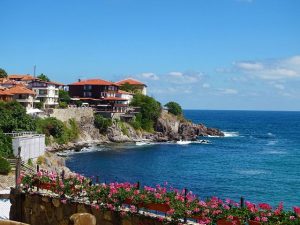
Tourism in Georgia Georgia is located in the South Caucasus region of Eurasia, that is, Western Asia and Eastern Europe. Russia forms its northern border, as it stretches with the summit of the Greater Caucasus Mountain Range, which is generally known as the boundary between Europe and Asia. In Philip Johann von Stralinberg’s definition of Europe in 1730, used by the Russian tsars and who was the first to define the Ural Mountains as the eastern border of the continent, the continental boundaries were drawn from the Kuma-Manish depression to the Caspian Sea, setting Georgia (and the entire Caucasus) Within Asia.
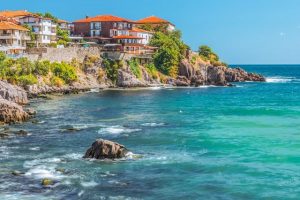
Culture and history The climate varies greatly in Georgia due to the country’s small size. This country has two major climate zones that characterize the eastern and western parts of the country. The Greater Caucasus Mountains play an important role in modifying the climate in Georgia, as they form a dam in the face of cold air masses coming from the north. The Lesser Caucasus Mountains partially protect the area from the influence of dry and hot air masses coming from the south.
Georgian culture developed over thousands of years, finding its foundations in the Iberian and Kolkhian civilizations, passing through the united Kingdom of Georgia under the rule of the Bagration dynasty. Georgian culture lived a golden age and a renaissance in classical literature, arts, philosophy, architecture and science in the eleventh century.
Tourism in Georgia The Georgian language and classic literature of the poet Shota Rustaveli was revived in the 19th century after a long period of turmoil, laying the foundations for the romances and novelists of the modern era such as Gregol Orbliani, Nicolaus Baratashvili, and many others.
Georgia is known for its rich folklore, unique traditional music, theater and cinema, and art. Georgians are famous for their love of music, dance, theater and cinema. During the twentieth century, many prominent Georgian painters appeared, such as Niko Pirosmani, Lado Godashvili, Eileen Khvlidiani; Ballet choreographers such as Georges Blanchein, Vakhtang Shapukiani, and Nino Ananiashvili; Among the poets Galaktion Tabidze, Lado Asatiani and Makhran Makavariani; Film and theater directors such as Robert Storua, Tengiz Abuladze, Giorgi Danelia and Awtar Ioseliani.
Tourist areas in Georgia Lake Ritsa Lake Ritsa is one of the most prominent tourist places in Georgia for tourist attractions. It is located in the city of Abkhazia in the north. Lake Ritsa is surrounded by mountains and water saturated with green and blue colors in which trout is found. To 117 meters, the summer is the best time to visit the lake, as the weather is cool there and it is a beautiful place for picnicking, fishing and tours of its boats available for tourism.

Tourism in Georgia Narikala Fortress Narikala Fortress or Fortress is one of the most important and prominent tourist attractions in Georgia that many tourists visit, and it is one of the most important archaeological sites in the Georgian Republic and the second region with the highest tourist attraction at the regional level in the republic. Narikala Castle is located on a hill overlooking the city and the Mutakfari River, This castle was built in the fourth century AD with the aim of protecting the city from any enemy attack, despite a devastating earthquake in 1827 that was able to demolish part of this castle, but the walls and walls that surround it are still standing to this day.

Tourism in Georgia The famous Boulevard Park in Batumi Boulevard Batumi is one of the most beautiful cities in Georgia at all, which must be among the most important tourist places in Georgia. It is a coastal city overlooking the Black Sea, famous for its pleasant climate, as well as containing contemporary architecture in its buildings and a number of charming beaches. As for the Boulevard Park, it is The most important gardens of Batumi extend along the seashore, surrounded on its sides by gardens and palm trees in a wonderful view, this park is considered one of the places that stand out in the summer nights for the city’s residents, and it is a public place where people enjoy hiking, jogging, cycling, watching the beautiful landscapes, and taking pictures A souvenir that reminds you of the most beautiful times.
Tourism in Georgia Mount Kazbek Mount Kazbek, meaning the snow mountain, is part of the beautiful mountainous nature that God gave to Georgia, located in the far north of the country on the border between the Georgian Republic and Russia at the Caucasus Mountains, the mountain is widely popular with tourists and climbers because it is the highest peak in the region that allows seeing the most beautiful views of nature. The witch from above.
Svetitskhoveli Cathedral One of the important architectural buildings in the Georgian Republic, it was built in the fourth century in the city of Meskheta, which is a historical city located near Tbilisi, the capital, until its current construction was rebuilt in the 11th century, and its internal walls contained remnants of symbols and frescoes, as well as decorated stone, The cathedral has been hit
For many attacks of Persians, Arabs, and Russians, in addition to earthquakes, the reputation of this cathedral is not only for being an important place for Christian worship, but also for including its name on the list of UNESCO World Heritage Sites that contain world sites of natural and cultural importance.
Tourism in Georgia Aerial Tramway in Tbilisi This air tramway is one of the modern means of transportation that was opened in Tbilisi in 2012, and it was built at a great height above the old city; To facilitate the process of moving from Rike Park to Narikala Fortress in two minutes, and you can also visit the Botanical Gardens and the memorial Kartlis Deda, which has become a symbol of the city of Tbilisi, the capital, the transfer by tram makes the trip easier and faster and also provides you with wonderful views of the Metkvari River and the old town.
It is a landlocked mountainous country located in the Caucasus of Eurasia, where it is located at the meeting point of Western Asia and Eastern Europe.
It is bordered by Turkey on the west, Georgia on the north, the de facto republic of Nagorno-Karabakh and Azerbaijan in the east, while on the south it is bordered by Iran and the Nakhchivan enclave of Azerbaijan.
The climate of Armenia is remarkably continental. Summer is dry and sunny and lasts from June through mid-September. Temperatures range from 22-36 ° C (72-97 ° F). Winter sports enthusiasts enjoy skiing down the hills of Chakhkadzor, about thirty minutes outside Yerevan. Lake Sevan, which is located in the Armenian Highlands, is the second highest lake in the world, as it is located at an altitude of 1900 meters (6234 feet) above sea level.
Culture and history Armenians have a special alphabet and language. The Armenian alphabet was invented in 405 AD by Saint Mesrop Mashdutus and consists of thirty-eight letters, two of which were added during the Cilician period. 96% of the country’s population speaks Armenian, while 75.8% speak Russian, and the popularity of the English language is also increasing with the present time.
Armenian music is a mixture of local folk music, which is perhaps best represented by Djivan Gasparian’s duduk music, as well as Christian pop and music. Musical instruments such as the duduk, dahl, zurna and qanun are found in Armenian folk music. Artists such as Sayed Noa are also famous for their influence in the development of Armenian folk music. One of the oldest types of Armenian music is the Armenian chant, which is the most common type of religious music in Armenia. Many of these hymns are ancient in origin, and stretch back to pre-Christian times, while others are relatively recent, including many composed by Saint Mesrop Mashdutut, the inventor of the Armenian alphabet. Under Soviet rule, Armenian composer Aram Khachaturian became internationally famous for his compositions of Armenian classical music and various ballet works, including Saber dances (a saber type of sword) in the Gayana ballet.
The National Museum of Art in Yerevan has more than 16,000 works dating back to the Middle Ages, which tell the rich tales and stories of Armenia of those times. It also includes paintings by many European artists. The Museum of Modern Art, the Child Portrait Gallery and the Martiros Saryan Museum are just names among the many museums and galleries in Yerevan. In addition, there are many private galleries, many of which open each year, including rotating exhibitions and sales houses.
Tourist areas of Armenia
St. Gregory the Illuminator Cathedral Also known as Yerevan Cathedral, it is currently the largest cathedral of the Armenian Apostolic Church in the world. It is located in the Kentron (Central Region) district of Yerevan, the capital of Armenia, and is considered one of the largest religious buildings in the South Caucasus along with the Holy Trinity Cathedral in Tbilisi (known as Samba Cathedral). It is located next to the public Andranik metro station, and can be seen from many angles in Yerevan.
Uriboon Castle The ancient castle museum dating back nearly 3000 years, which proves the preserved Yerevan civilization in the Eriboni Castle in Armenia.
the blue Mosque The mosque that dates back to the 18th century, is one of the few surviving (pre-Soviet secular) Islamic structures that bear witness to the flourishing of the Muslim community in Yerevan.
Lake Sevan – “The Jewel of Armenia” or “The Gjama Sea” is one of the largest mountain freshwater lakes in the world. This picturesque lake is located in the middle of the Armenian highlands in a huge mountain plate surrounded by beautiful peaks at an altitude of 1900 meters. The surface area of the lake is 940 km2, the maximum depth is 95 m
The coast of Lake Sevan is distinguished by its picturesque scenery, with its green forests, pristine white rocks, mountain steppes, mountain meadows, pine trees and pebble beaches. Add to this beautiful landscape the low clouds that actually touch the tops of the snow-covered mountains, giving the lake a striking beauty and splendor. It is also surrounded by many temples that were created in a unique style of ancient Armenian architecture.
Tatev The jewel of Armenian architecture was built in the Middle Ages, the ninth and thirteenth centuries. In the past, it was difficult to reach, as the road was winding and tourists were forced to descend the rough roads of the strait and cross a river on Devil’s Bridge, but now it can be reached there easily by the longest cable car in the world.
Tatev Monastery is located in the center of Syunik, near the village of Tatev, on a cliff overlooking the right bank of the Vorotan River. This remote location was strategically favorable as the monastery was at the same time the religious and political center of the Sayunik principality, and had to be defended. The monastery was also the residence of the Sionik bishop. Titiv collected taxes from hundreds of villages, making it a rich monastery and educational institute.
Tatev University was the largest center of medieval Armenian philosophy and science. Students studied philosophy, theology, physics, mathematics, astronomy, medicine, and architecture, and the library contained 10,000 manuscripts, all of which were destroyed in one day during the Mongol invasion in the thirteenth century. European scholars were jealous of the freedoms that Armenian scholars enjoyed, as they were able to study with relatively little interference from the Church.